ラーメンライフ

Ramen Life

An interactive visual guide to Japan through its most iconic regional ramen styles. From the miso-rich bowls of Hokkaido to the creamy tonkotsu of Kyushu.

Scroll to explore
The Journey Begins

Ramen is not one thing.
It is many.

Each region of Japan has developed its own distinct ramen identity, shaped by local ingredients, climate, history, and taste preferences. From the butter-enriched miso bowls of snowy Hokkaido to the rich, pork-bone broths of tropical Kyushu.

This is a north-to-south journey through Japan's most celebrated regional ramen styles. Not a ranking, but an atlas. A map of flavor, tradition, and place.

19Regional Styles
4Main Islands
1Delicious Journey
Regional Atlas

北から南へFrom North to South

01
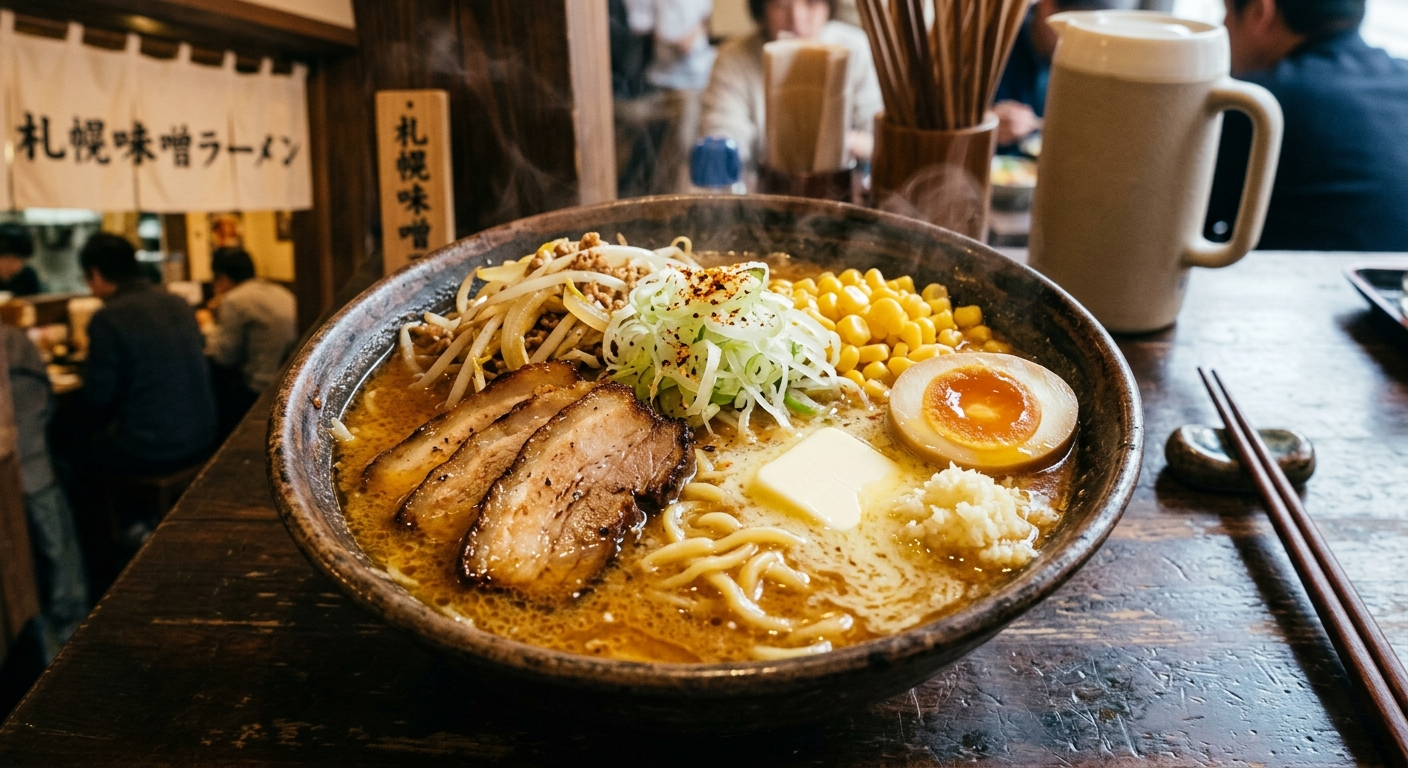
Sapporo Miso Ramen

札幌味噌ラーメン

Sapporo Miso Ramen

Sapporo, Hokkaido

Broth

Miso

Noodles

Medium Wavy

Toppings

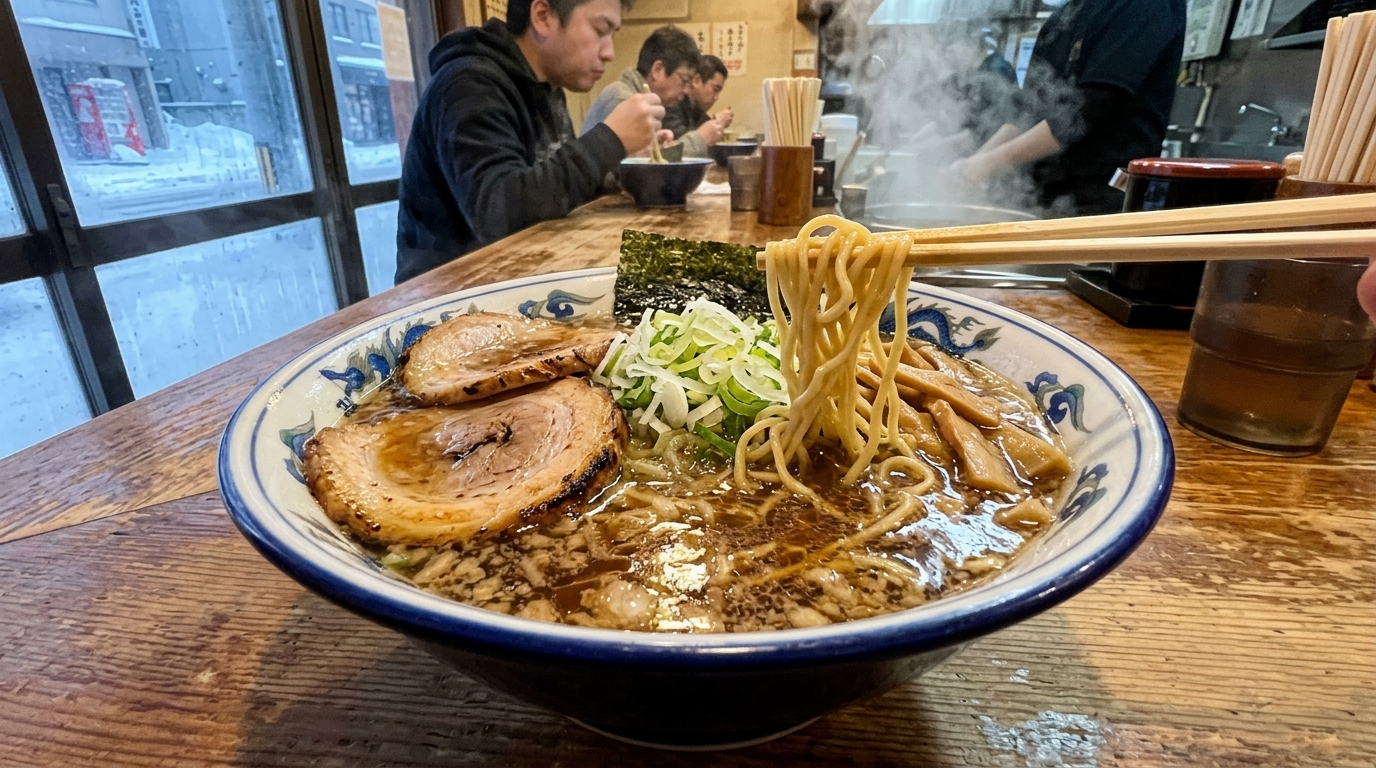
This iconic bowl is defined by its rich, hearty, savory miso-based broth that offers deeper body and cold-weather comfort. The soup is traditionally prepared in a wok where miso paste is stir-fried with lard and vegetables to create a smoky, caramelized depth.

A signature layer of lard acts as a heat-retaining "lid," keeping the soup steaming hot in Hokkaido’s sub-zero climate.
02
Asahikawa Ramen

旭川ラーメン

Asahikawa Ramen

Asahikawa, Hokkaido

Broth

Shoyu

Noodles

Thin Wavy

Toppings

This style features a soy-forward broth layered with deeper stock richness from a unique blend of pork, chicken, and seafood. To combat extreme northern winters, the soup is protected by a thick surface oil layer for maximum heat retention.

This concentrated, oily shoyu style is a Hokkaido staple designed specifically for warmth and depth of flavor.

03
Hakodate Shio Ramen

函館塩ラーメン

Hakodate Shio Ramen

Hakodate, Hokkaido

Broth

Shio

Noodles

Thin Straight

Toppings

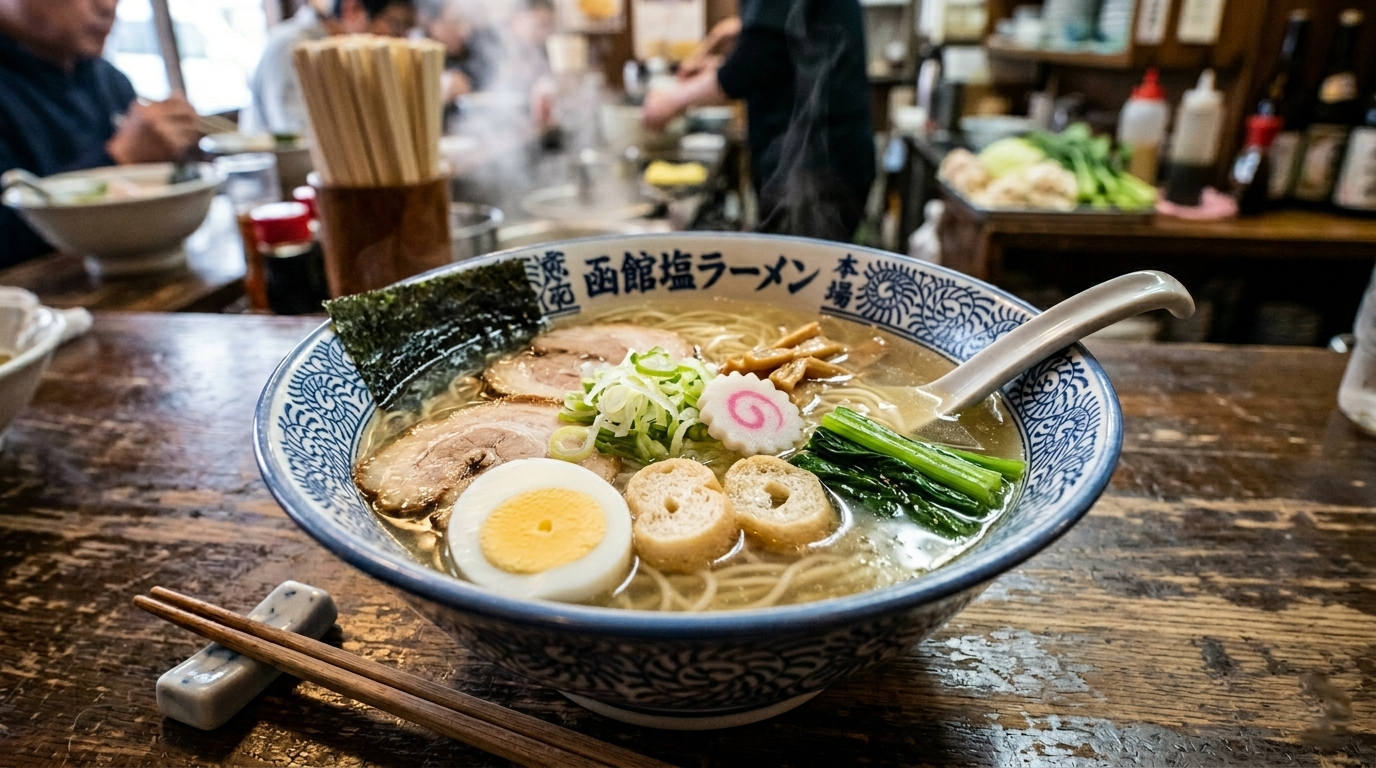
Representing the lighter side of Hokkaido, this variety offers a light, clear, and delicate salt-based broth with a clean finish. The soup draws its refined umami from kelp and chicken, resulting in a transparent golden appearance.

It is a gentle northern expression that provides a refreshing contrast to the heavier miso and shoyu styles.

04
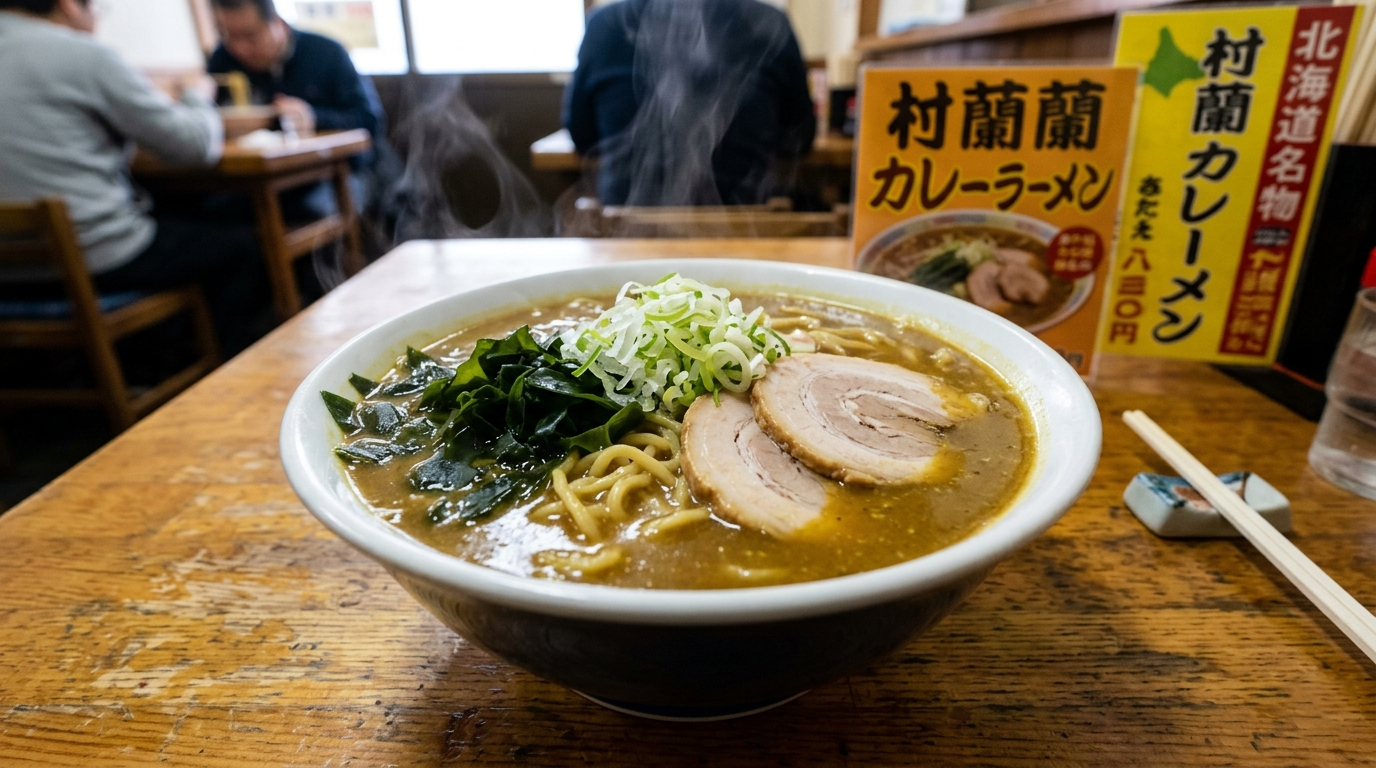
Muroran Curry Ramen

室蘭カレーラーメン

Muroran Curry Ramen

Muroran, Hokkaido

Broth

Curry

Noodles

Medium

Toppings

This unique local favorite features a savory ramen broth infused with warm, aromatic Japanese curry flavor. The soup is thick and velvety, coating the noodles to provide a spicy and deeply comforting soul-food experience.

Recognized as one of Hokkaido’s "Four Great Ramens," it offers a bold departure from traditional stock-based soups.

05

山形ラーメン

Yamagata Ramen
Yamagata, Yamagata

Broth

Shoyu

A regional ramen culture with strong local identity and seasonal cold-ramen associations

06
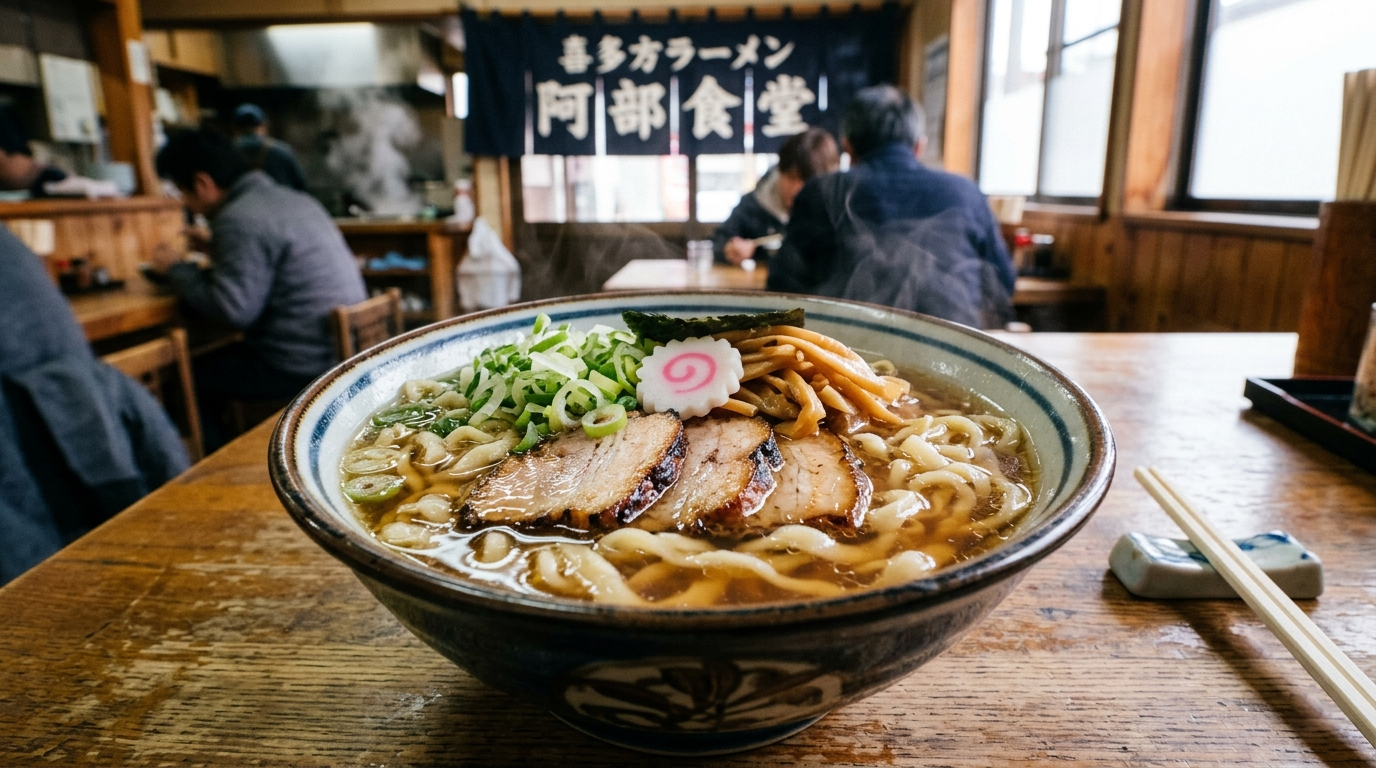
Kitakata Ramen

喜多方ラーメン

Kitakata Ramen

Kitakata, Fukushima

Broth

Shoyu

Noodles

Flat Curly

Toppings

Hailing from a town with one of Japan's highest shop densities, this bowl relies on a light soy-based broth with exceptional balance and clarity. The soup is often made with a mix of pork bones and dried sardines, resulting in a clean but oily finish.

While the broth is pristine, this style is legendary for its high-hydration, hand-cut wavy noodles with an exceptionally chewy texture.

07

白河ラーメン

Shirakawa Ramen
Shirakawa, Fukushima

Broth

Shoyu

Known for chewy hand-kneaded curly noodles and a rich soy-based style

08
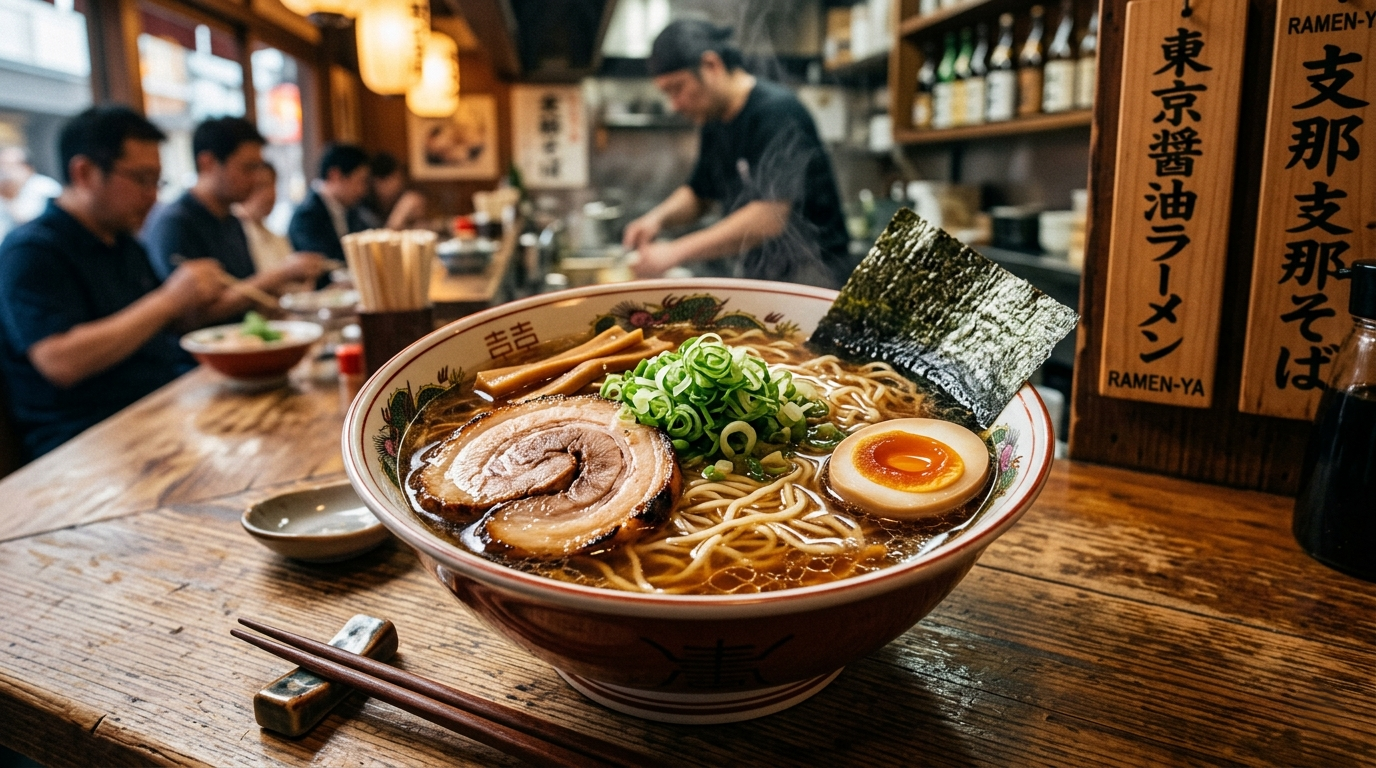
Tokyo Shoyu Ramen

東京醤油ラーメン

Tokyo Shoyu Ramen

Tokyo, Tokyo

Broth

Shoyu

Noodles

Thin Wavy

Toppings

This is the archetypal Japanese ramen, featuring a clean soy-based broth often layered with chicken and subtle dashi notes. It serves as a sophisticated, nostalgic reference point that balances saltiness with clear umami.

As the definitive reference point for the Kanto region, it remains the most iconic and recognizable ramen style in the world.

09
Sano Ramen

佐野ラーメン

Sano Ramen

Sano, Tochigi

Broth

Shoyu

Noodles

Handmade

Toppings

This style is built upon a gentle soy-based broth with a clean, old-school profile that highlights the high-purity spring water of the region. The soup is intentionally light and transparent to let the craftsmanship of the noodles shine.

It is defined by its "Aodake-uchi" noodles, which are rhythmically kneaded with a heavy bamboo pole for an incomparable, springy bite.

10
Toyama Black Ramen

富山ブラックラーメン

Toyama Black Ramen

Toyama, Toyama

Broth

Black Shoyu

Noodles

Thick

Toppings

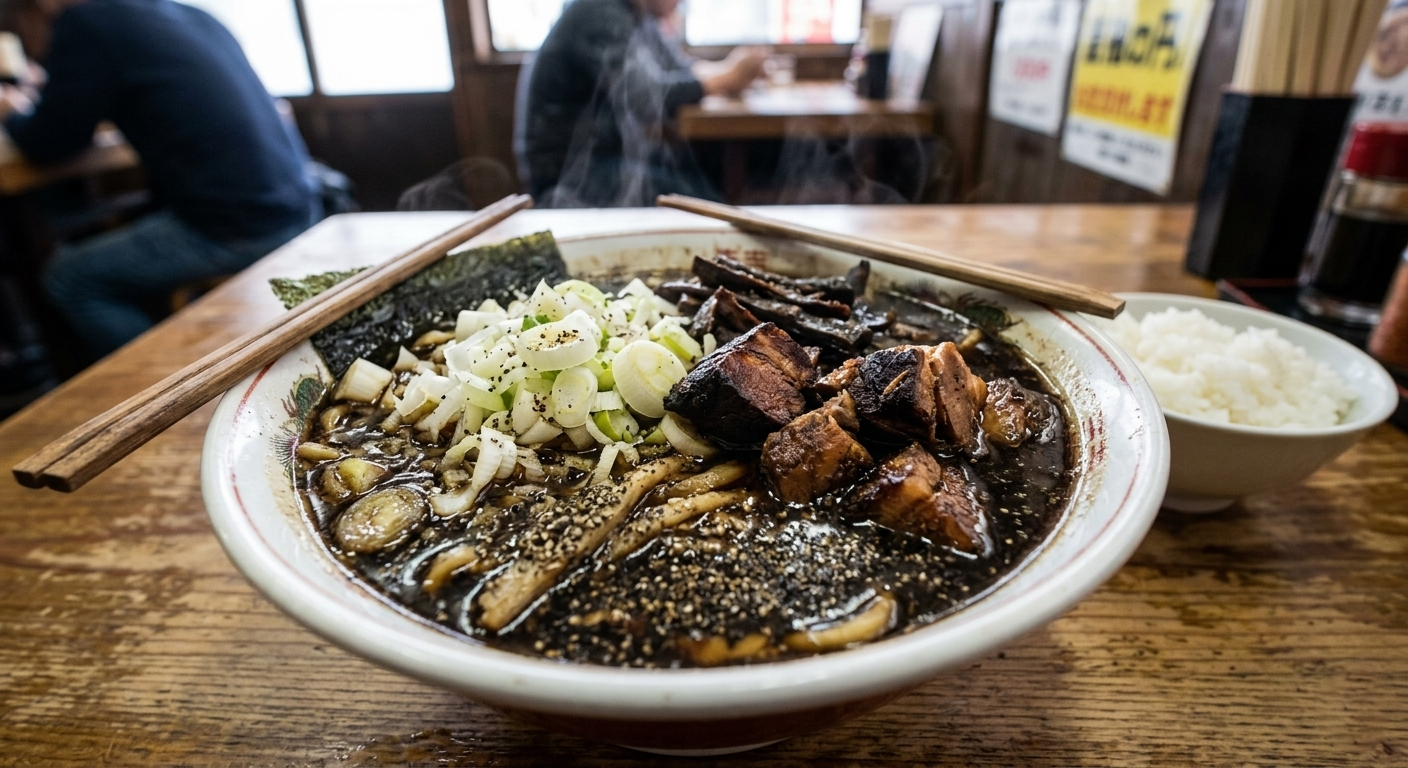
This is an intensely dark soy-based broth with bold salinity and a powerful punch of black pepper. Originally created as a high-sodium meal for manual laborers, the ink-black soup has a concentrated intensity intended to be paired with white rice.

One of Japan’s most visually dramatic regional styles, offering a sharp and salty profile unlike any other shoyu ramen.

11
Onomichi Ramen

尾道ラーメン

Onomichi Ramen

Onomichi, Hiroshima

Broth

Shoyu

Noodles

Flat

Toppings

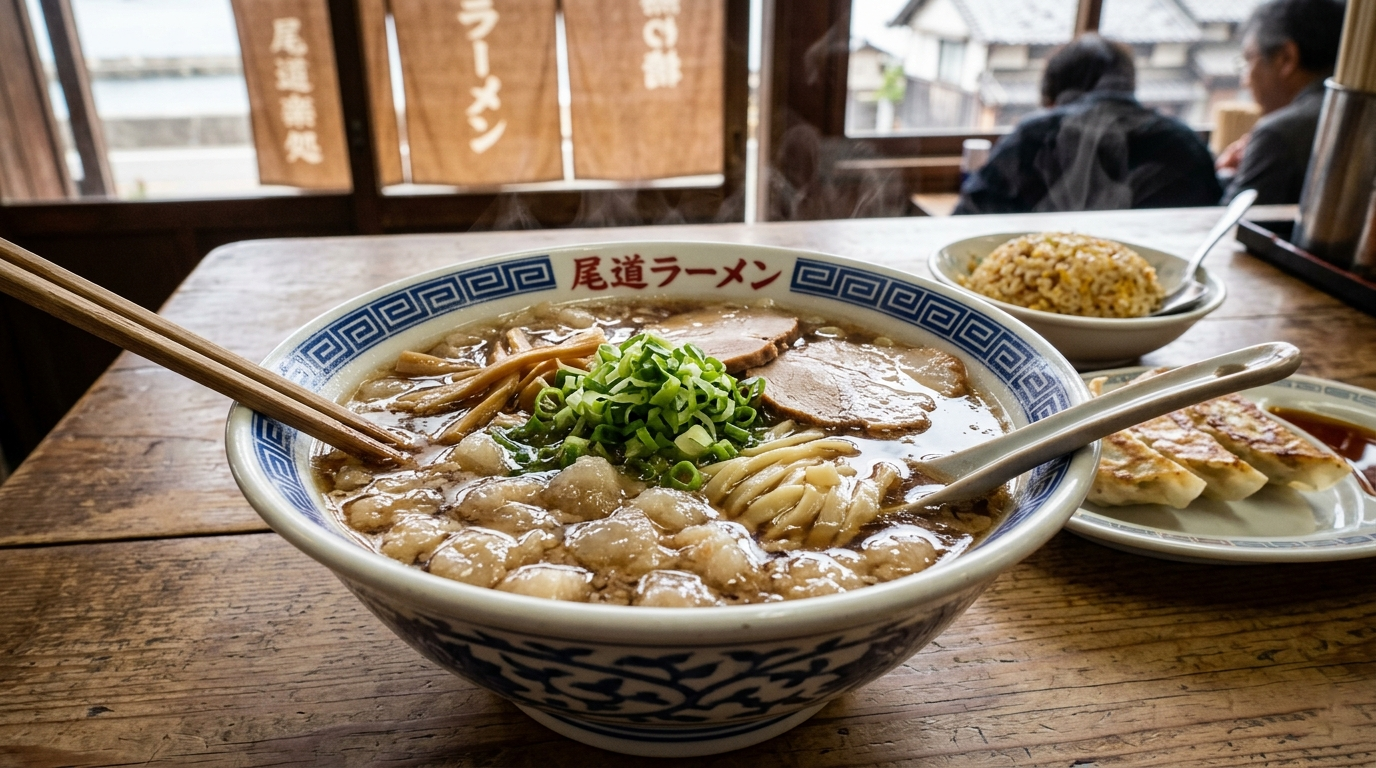
This coastal style features a light soy-based broth with briny seafood notes derived from Seto Inland Sea dashi. It is visually distinct for the large, floating chunks of melted pork back-fat that add a rich, sweet dimension to the delicate soup.

The clever balance between clear fish stock and indulgent pork fat makes this a hallmark of Hiroshima’s regional cuisine.

12
Wakayama Ramen

和歌山ラーメン

Wakayama Ramen

Wakayama City, Wakayama

Broth

Mixed

Noodles

Thin Straight

Toppings

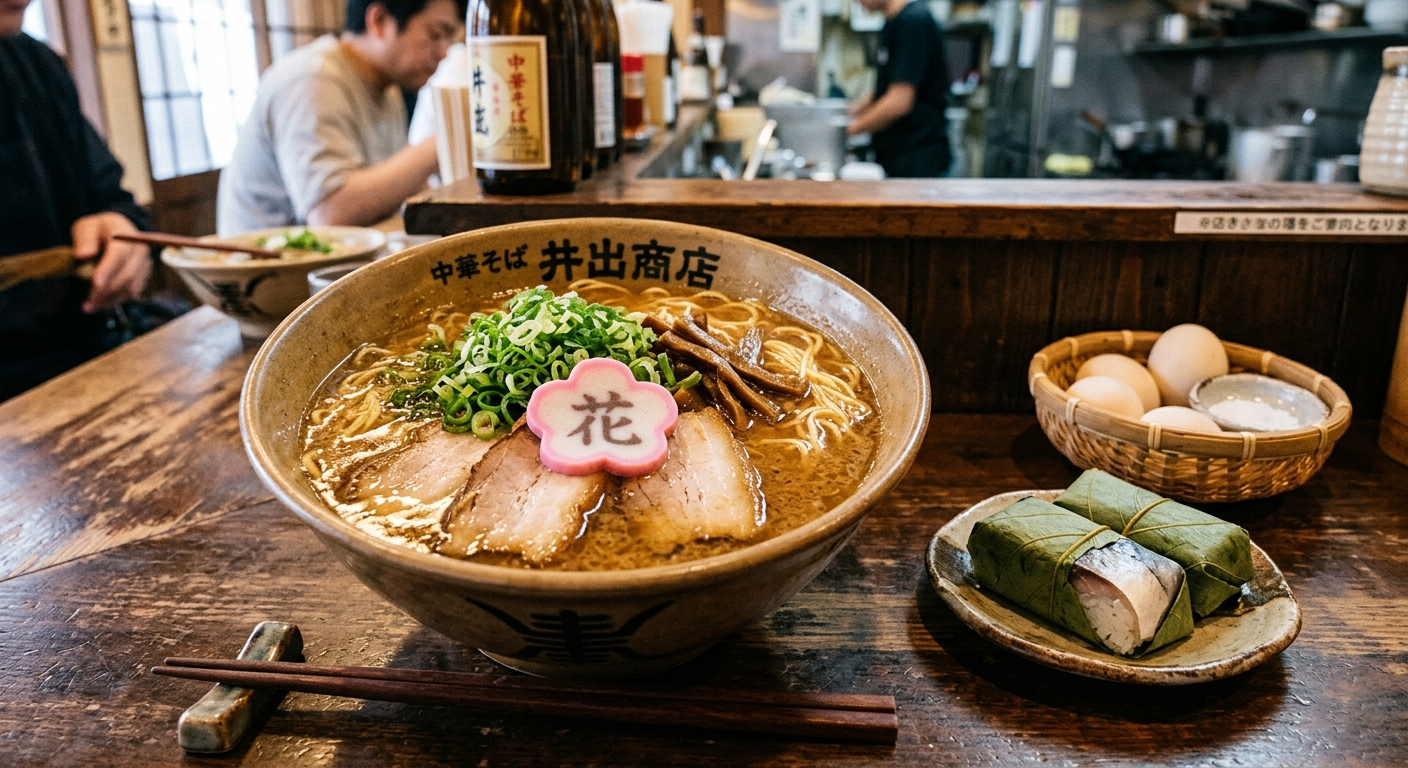
Commonly called "Chuka Soba" by locals, this pork-based broth is blended with deep soy richness for a savory, rounded profile. The soup is typically thick and creamy, representing a perfect hybrid of the Kanto and Kyushu traditions.

This Kansai-area favorite is famously paired with "saba-sushi" (mackerel sushi) and hard boiled eggs traditionally left on the tables for diners to enjoy at their leisure.

13
Tokushima Ramen

徳島ラーメン

Tokushima Ramen

Tokushima, Tokushima

Broth

Mixed

Noodles

Thin Straight

Toppings

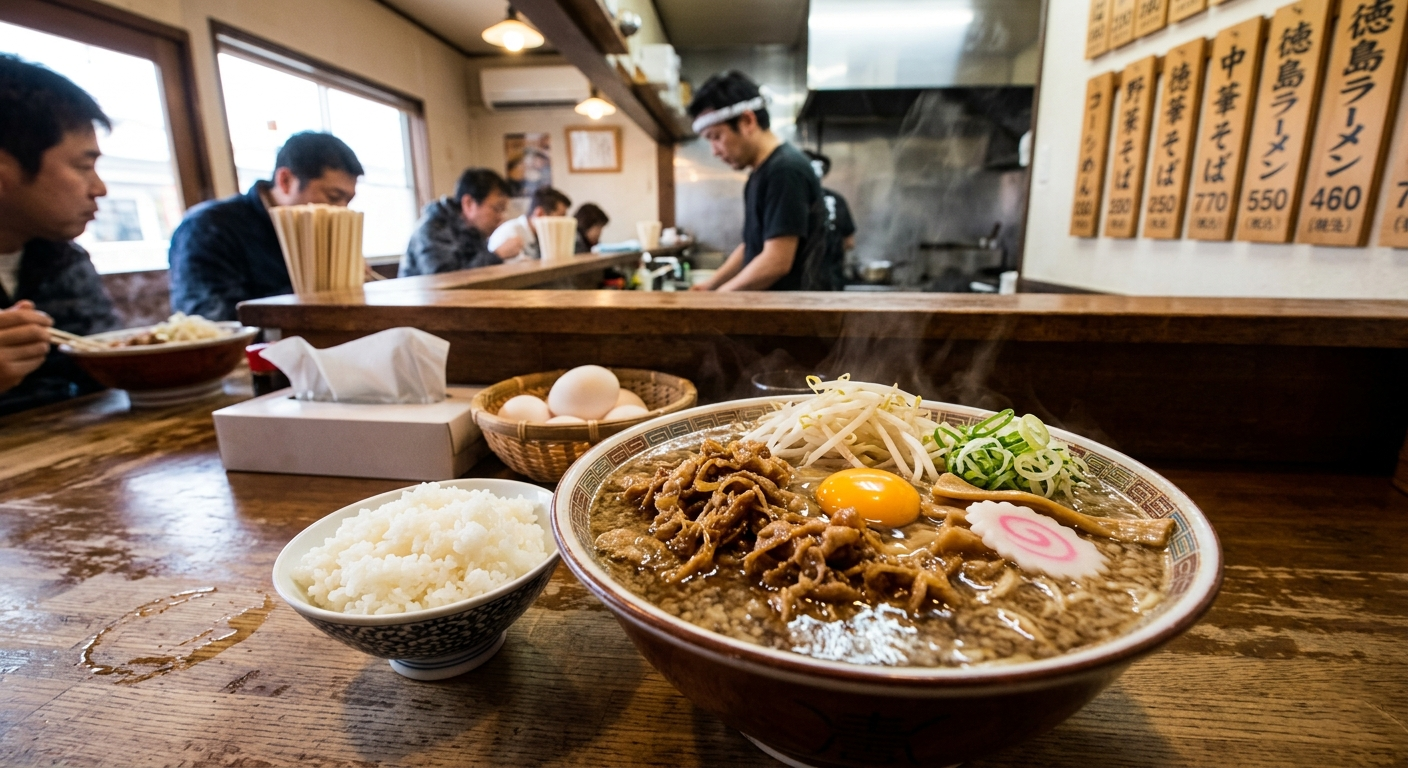
This is a deeply savory mixed broth with intense soy and pork richness that creates a dark, slightly sweet, and heavy profile. Because the flavor is so concentrated, it is widely regarded as a "side dish" intended to be eaten alongside a bowl of plain white rice.

A signature raw egg cracked over the top adds a creamy velvet texture that cuts through the powerful, dark broth.

14

鍋焼きラーメン

Kochi Nabe-yaki Ramen
Kochi, Kochi

Broth

Shoyu

Served in an earthenware pot, giving the style a distinctive vessel and local character

15
Hakata Ramen

博多ラーメン

Hakata Ramen

Fukuoka City, Fukuoka

Broth

Tonkotsu

Noodles

Thin Straight

Toppings

A global icon, this creamy, cloudy pork-bone broth is boiled for days to achieve a rich body and fully emulsified collagen. The resulting soup is milky, opaque, and packed with deep, savory pork essence.

This style is inseparable from its ultra-thin straight noodles and the "Kaedama" system of noodle refills.

16

長浜ラーメン

Nagahama Ramen
Fukuoka, Fukuoka

Broth

Tonkotsu

A closely related local variant in the Hakata-tonkotsu family

17

久留米ラーメン

Kurume Ramen
Kurume, Fukuoka

Broth

Tonkotsu

Birthplace of tonkotsu ramen

18
Kumamoto Ramen

熊本ラーメン

Kumamoto Ramen

Kumamoto City, Kumamoto

Broth

Tonkotsu

Noodles

Medium

Toppings

This creamy pork-based broth is distinguished by a strong, aromatic garlic presence. The soup’s complexity is boosted by "ma-yu" (roasted black garlic oil), giving the bowl a smoky, pungent, and earthy character.

This Kyushu variation uses toasted garlic to create a deeply layered flavor profile that prioritizes aromatic intensity.

19
Kagoshima Ramen

鹿児島ラーメン

Kagoshima Ramen

Kagoshima, Kagoshima

Broth

Mixed

Noodles

Medium

Toppings

This rounded broth is a blend of pork, chicken, and vegetables, creating a profile that feels softer and more layered than classic tonkotsu-heavy bowls. The soup is not fully emulsified, resulting in a cleaner flavor that reflects the local agricultural bounty.

As the southernmost style in Japan, it broadens the Kyushu story by utilizing a lighter, more diversified stock base.

Special Features

丼を超えて

Beyond the Bowl

These essential formats expand the definition of ramen culture, offering distinct experiences that complement the traditional bowl.

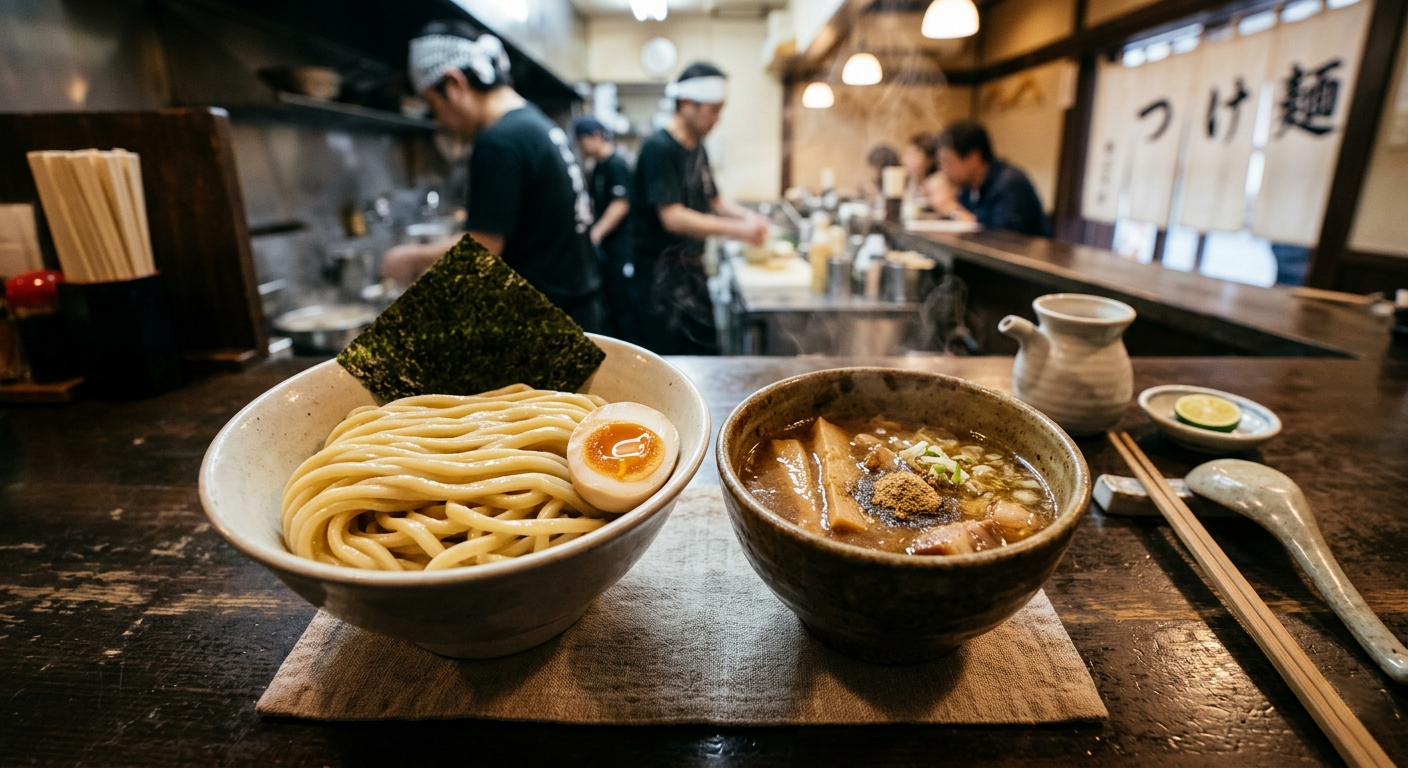
Tsukemen
Special feature

つけ麺

Tsukemen

Noodles served separately from a concentrated dipping broth

Why It Matters

Invented in 1961 by Kazuo Yamagishi—the "God of Ramen"—at Tokyo's Taishoken, tsukemen revolutionized how Japan thinks about noodles by separating them from broth entirely

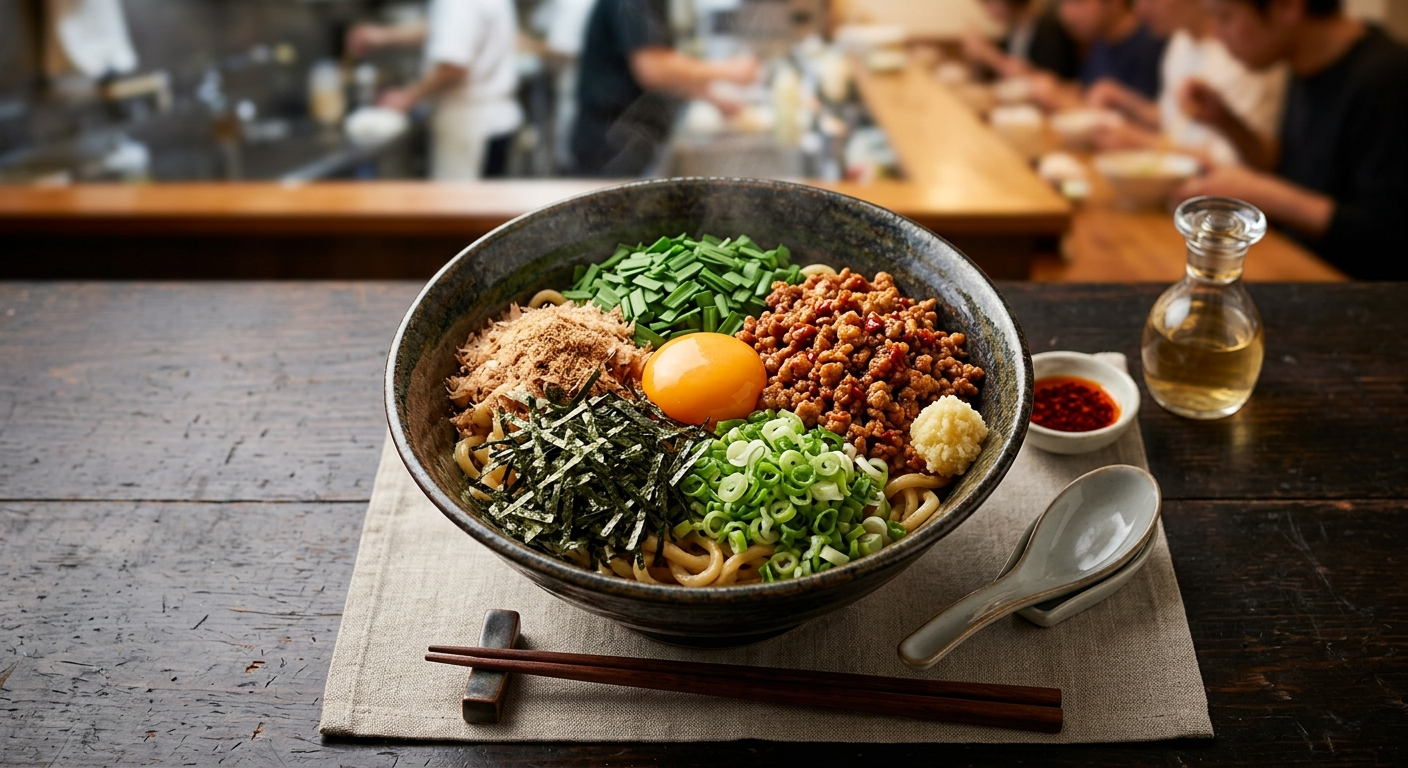
Mazesoba
Special feature

まぜそば

Mazesoba

Brothless mixed noodles with bold sauce, toppings, and strong flavor concentration

Why It Matters

Born in 2008 at Nagoya's Menya Hanabi when a failed broth experiment led to mixing spicy Taiwan-style pork directly with noodles, creating a new genre of brothless ramen

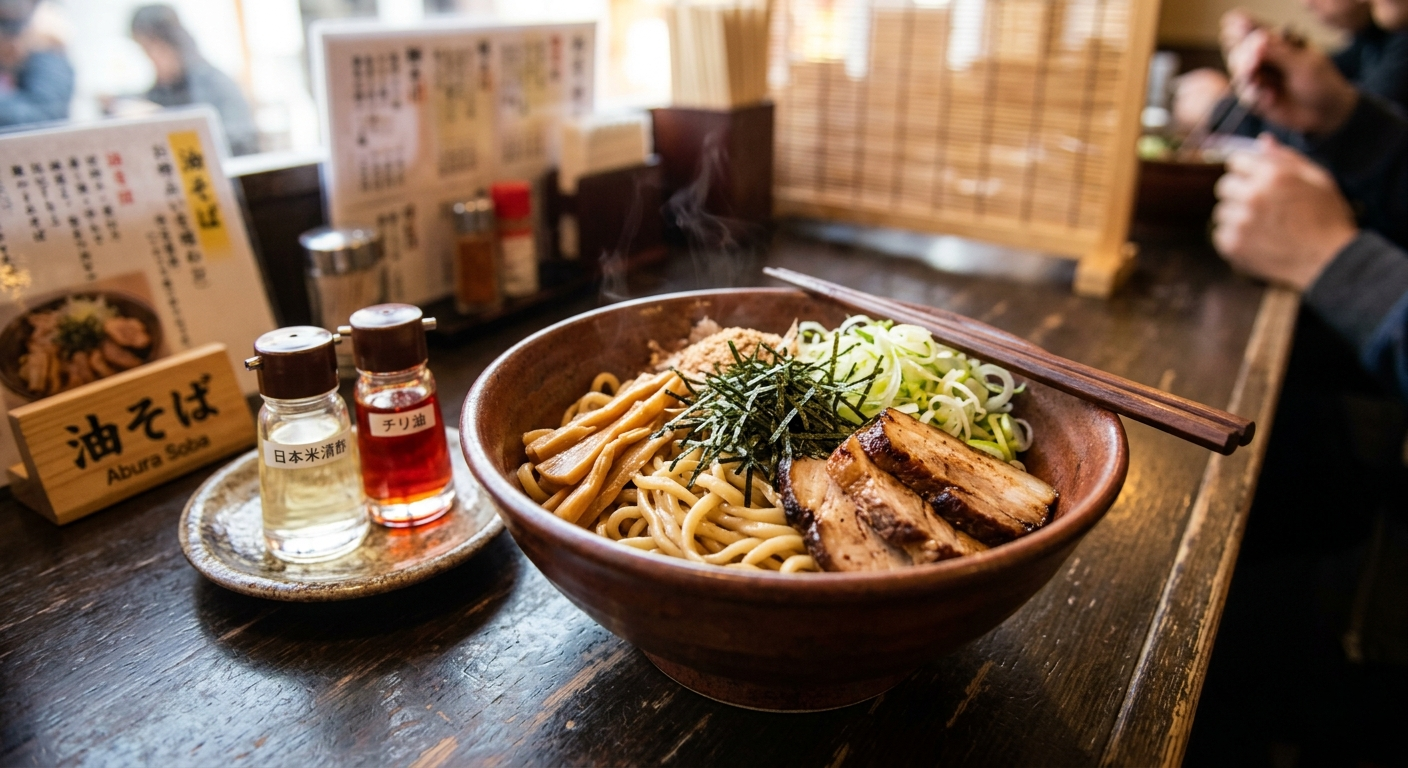
Abura Soba
Special feature

油そば

Abura Soba

Oil-sauced noodles with little or no broth, designed to be mixed before eating

Why It Matters

Emerging from 1950s Tokyo as affordable sustenance for workers, abura soba predates the modern tsukemen movement and represents ramen's oldest brothless tradition

Ramen is a living culture.

Each bowl tells the story of its place—shaped by climate, history, local ingredients, and the people who make it.

いただきます

Itadakimasu

An interactive visual guide to Japan's regional ramen culture

ramenlife.com